
This Policy Outline defines several common terms related to child development, student mental health and wellness, and school-based health services. Understanding these terms, which are distinct but connect in various ways, is critical to the policymaking process.
Resources
Knowledge begins here
but never ends.
Curated reports, deep research, informational articles, podcasts. Everything you need to stay well
informed in the world of education grantmaking.
2026 IgnitED Award Winners
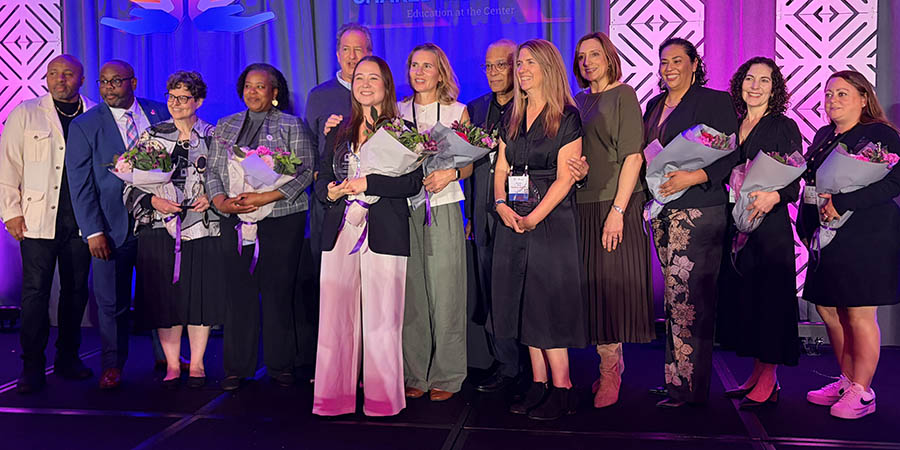
The Grantmakers for Education IgnitED Awards celebrate outstanding leaders who drive bold ideas and innovative thinking in education and philanthropy. Learn more about the 2026 award winners here!
Investing in the Out-of-School Time Workforce: Recommendations for Grantmakers
Member Insights: Education Access Is Under Threat: Philanthropy Can Protect Education for All Children
.
FILTER RESOURCES
SEARCH RESOURCES
February 2021
Glossary of Student Mental Wellness Concepts

February 2021
A Year into the Pandemic: Parents’ Perspectives on Academics, State Assessments, and Education
This national parent survey includes findings on parent perceptions of learning during the pandemic, their greatest concerns for their children, and how they feel about academics and assessments given the unprecedented circumstances of the past year.
January 2021
When Back to School Meets Stay at Home
January 2021
Short Memories Lead to Long-Term Consequences
The collapse of good labor market opportunities for workers without a college degree is the elephant in the room in higher education policy discussions today. A high school diploma no longer provides a guarantee of financial security, let alone opens the door to the middle class. In response, some lawmakers and advocates have introduced a host of proposals known as “short-term Pell.” Dressed up as innovation, this idea is the latest iteration of short-term programs for Americans not interested in going to traditional college — but the historical record shows little compelling evidence that these programs offer a promising future.
This report examines the legislative and regulatory history of short-term programs under federal higher education law. The lessons from those earlier reforms can help guide policymakers in their current efforts to address the educational needs of Americans.

January 2021
Accurate Student Poverty Data Is Crucial to Supporting All Students
January 2021
Rising Together: How Four Districts are Building Community During the COVID-19 Pandemic
TNTP partnered with four diverse school districts—Richland Parish, Louisiana; Hamilton County, Tennessee; Hartford, Connecticut; and Collier County, Florida—as they prioritized authentic community engagement.


Submit A Resource
Expand your audience by expanding minds.
We believe in getting research and insights into more hands to support learning for our peers and community. Share your resources that would be useful to education grantmakers.